The International Maternal and Newborn Health Conference (IMNHC) opened on 23 March 2026 under the theme “Moving forward. Together.” Held in Kenya’s capital, Nairobi, the four-day convening brought together government officials, global health agencies, and development partners under a shared goal: to accelerate progress on maternal and newborn survival. However, the conversations at the opening plenary signalled a shift from technical discussion to something more urgent: accountability, systems, and scale.
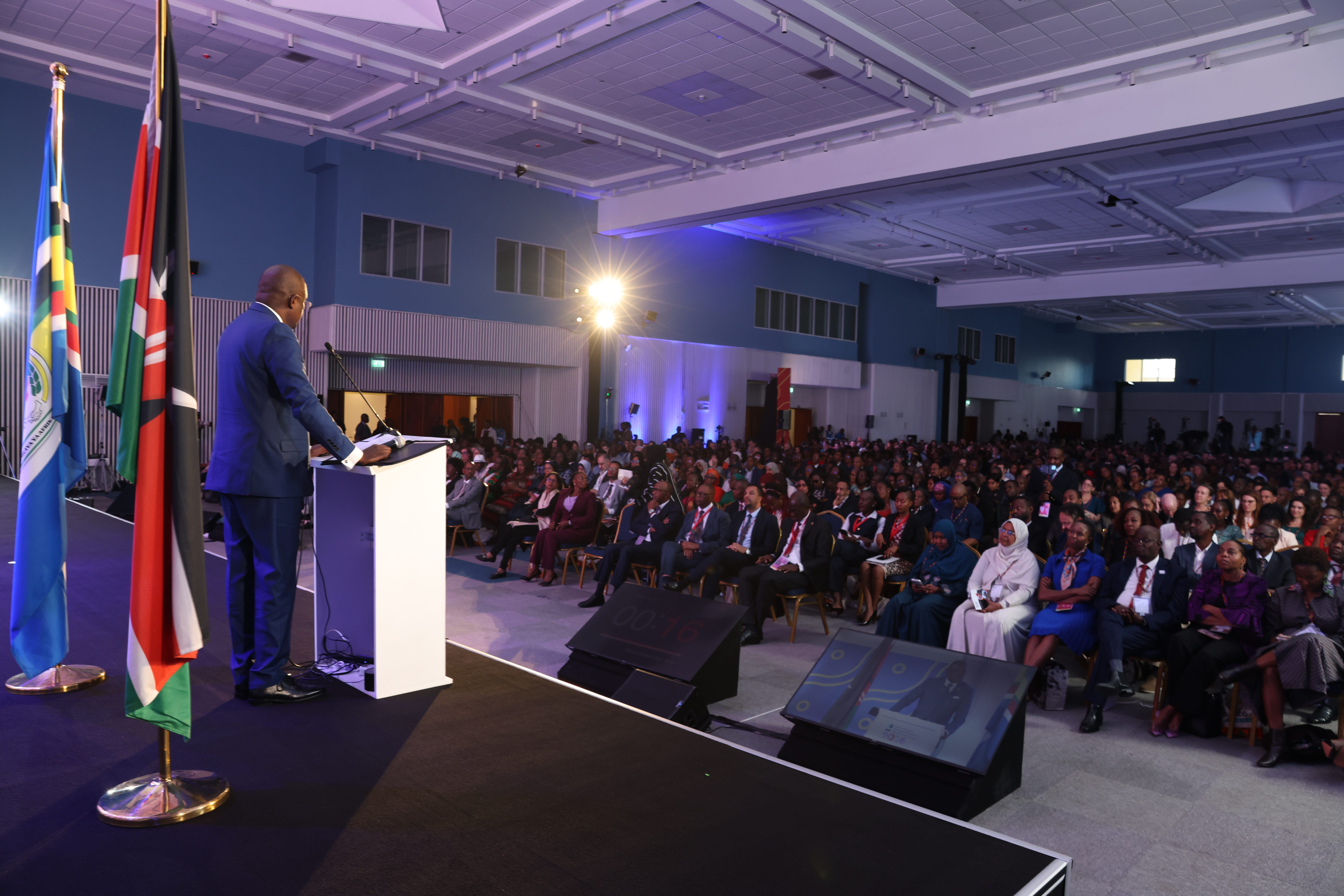
Despite years of global commitments, from maternal health action plans to universal health coverage agendas, progress has remained uneven. Speakers pointed to systems that are not delivering at scale, with inefficiencies, fragmented planning, and weak coordination undermining progress.
In his speech, Africa CDC Director General, Dr Jean Kaseya, emphasised that Africa is at a defining moment, shifting the conversation away from technical fixes to something more political and urgent.
“Africa is facing its own defining moment. We are confronted with an unacceptable maternal neonatal mortality rate…It’s not just a health issue… For me, it’s a justice issue, a development issue, a sovereignty issue. A continent that cannot protect its mothers and children cannot claim full sovereignty over its future”
~ Dr Jean Kaseya
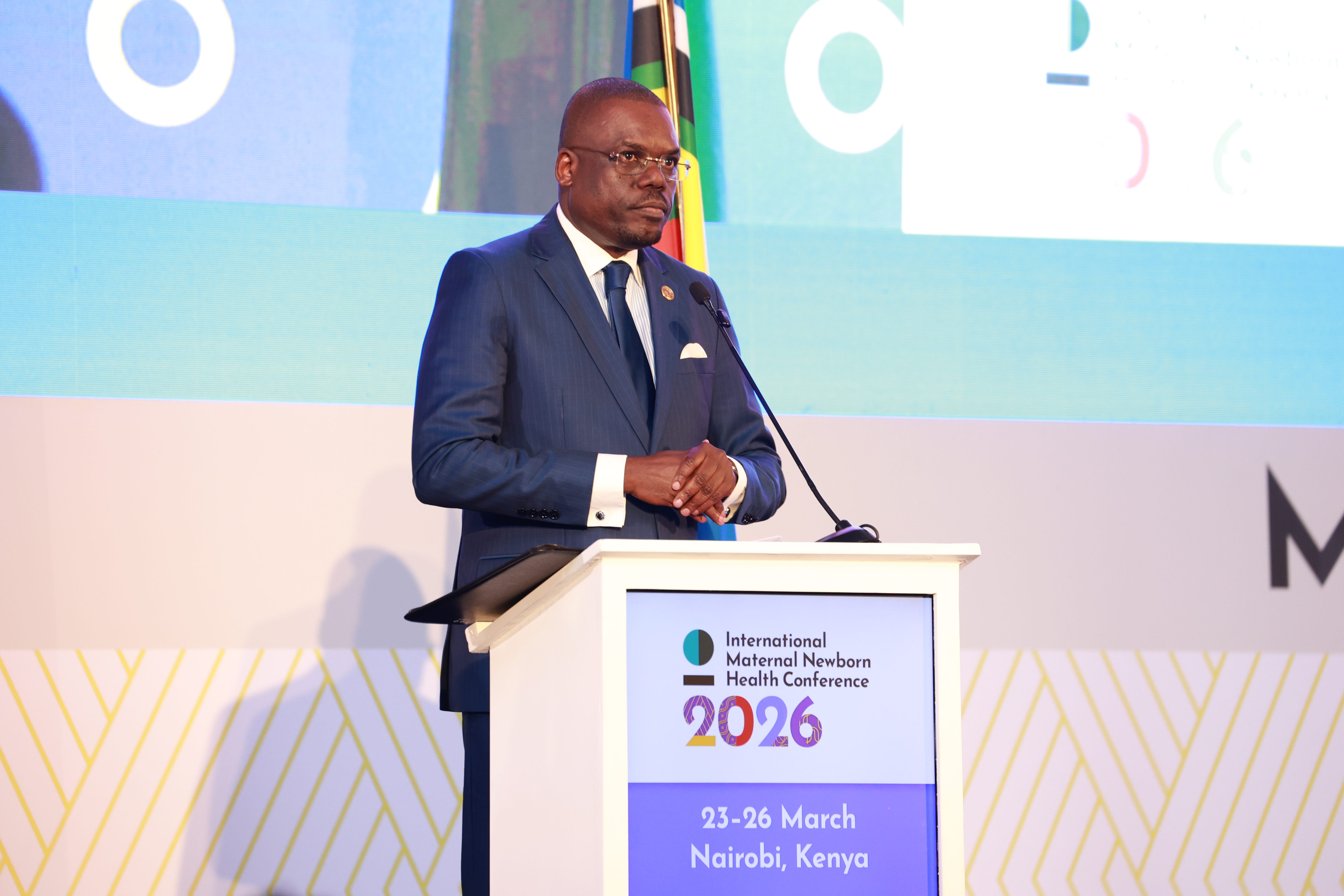
Kaseya proposed a “New Deal” for maternal and child health in Africa. It was a call for system-wide transformation rather than incremental change, tied to a broader continental vision of health security and sovereignty, built on domestic financing, stronger primary healthcare systems, digital infrastructure, and local manufacturing of essential commodities.
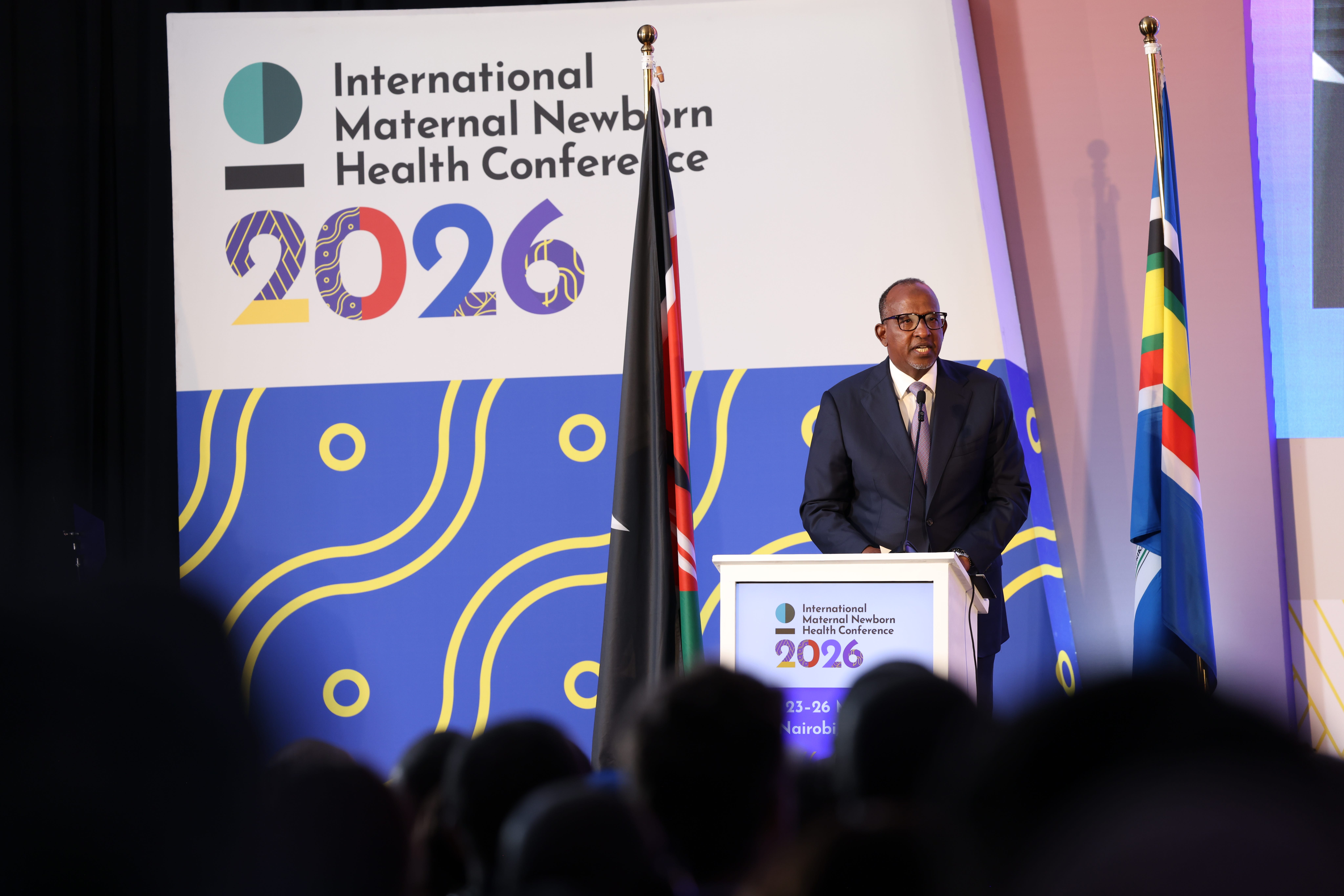
The shift from commitment to execution was echoed in the opening remarks delivered on behalf of Kenya’s President, Dr William Ruto, by Cabinet Secretary for Health, Hon. Aden Duale, who positioned the country as a testing ground for what accelerated delivery could look like.
“We are rolling out the Rapid Results Initiative to accelerate reductions in maternal and newborn morbidity and mortality,” he said. “The RRI is about urgency… tracking results in real time, and delivering measurable change where it matters most.”
Duale pointed to Kenya’s expanding Social Health Authority, investments in primary healthcare, and a growing digital health system as examples of how policy is being translated into practice particularly by reducing financial barriers and improving access to care.
Together, the messages from the opening plenary reflected a broader shift in African health policy. Maternal and newborn health is no longer being framed solely as a sectoral issue, but as a test of governance, financing, and state capacity. From universal health coverage to domestic resource mobilisation, from digital systems to local manufacturing, the agenda outlined in Nairobi ties maternal survival to the continent’s wider push for health sovereignty.
Subscribe to Africa Health Watch
Get the latest health policy analysis and investigative journalism delivered straight to your inbox.
We respect your privacy. Unsubscribe at any time.